







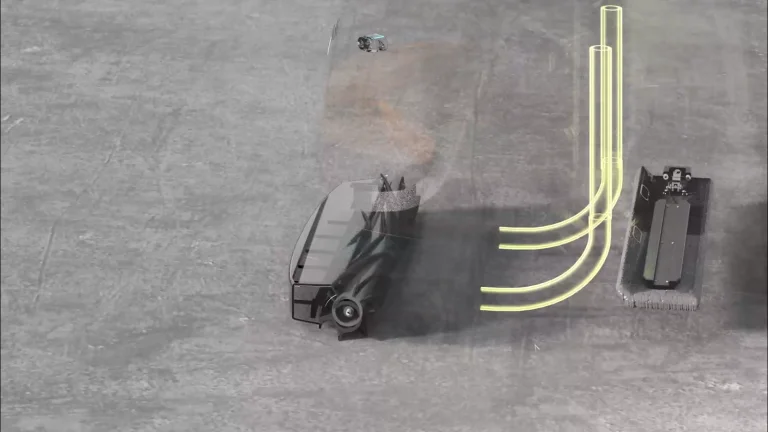
Brisbane’s biggest warehouses, retail centres and industrial sites need clean floors every single day. Commercial robotic sweepers handle dust, debris and high-traffic conditions without needing staff to watch over them. This page covers how these machines work across Brisbane facilities, what size suits your site, and how to keep them running in our subtropical climate. Book a consultation or on-site demo with Commercial Cleaning Machines, your local cleaning equipment specialists.
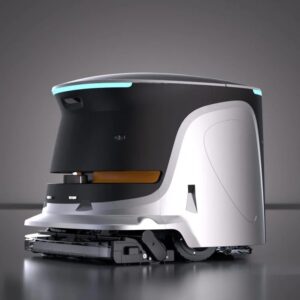
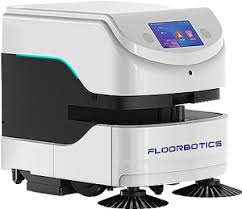
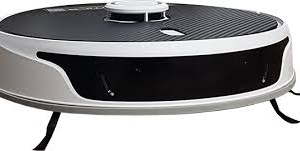
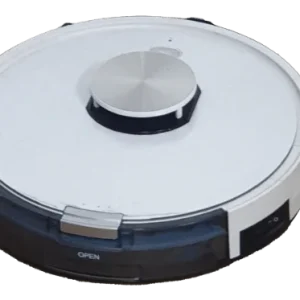
Commercial robotic sweepers are autonomous floor machines built for large indoor spaces. In Brisbane, they clean warehouses, shopping centres and factory floors without constant staff oversight. They work especially well in subtropical conditions where dust, sand and storm debris build up fast on concrete, tile and epoxy surfaces.
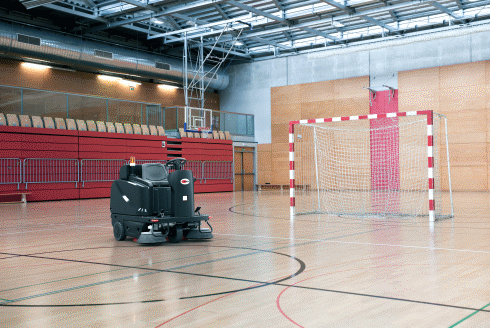
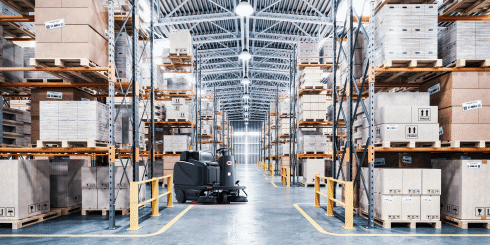
Warehouse managers across Brisbane deal with dust and debris buildup every day. Manual sweeping struggles to keep up. Robotic sweepers clean without stopping, catching fine particles that brooms and walk-behind units miss. They follow preset routes through aisles, loading docks and open-bay areas, covering every square metre on schedule.
Brisbane’s humid, subtropical climate and storm season push extra grit, leaf litter and fine sand into industrial spaces. Loading docks and open-bay warehouses around Eagle Farm and the Trade Coast cop the worst of it during the summer wet season. A robotic sweeper handles this constant buildup without extra staff or overtime shifts.
These machines suit any facility where clean floors matter for safety, compliance or daily operations. If your warehouse floor gets dirty again within hours of a manual sweep, a robotic unit running two or three cycles a day makes a real difference.
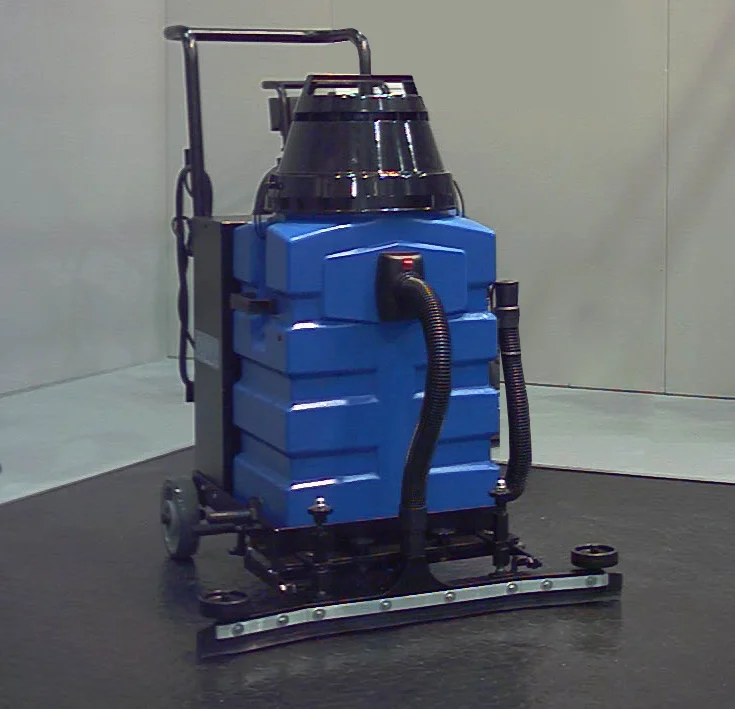
Robotic sweepers are a strong fit for:
Large warehouses and distribution centres with wide aisles
Manufacturing floors with ongoing dust and debris from production
Retail centres and shopping centre common areas with heavy foot traffic
Food-grade storage facilities that need documented cleaning records
Logistics hubs near the Port of Brisbane with constant freight movement
Matching sweeper size to your floor area stops you wasting run time and battery life. Commercial robotic sweepers range from compact walk-behind-size units for retail and healthcare spaces up to ride-on-equivalent machines built for distribution centres and large factory floors.
The key factors are:
A compact unit works well in a 2,000 sqm retail showroom with clear walkways. A larger machine makes more sense in a 15,000 sqm warehouse with wide open bays and heavy forklift traffic.
Facilities in Rocklea and Acacia Ridge often have mixed-zone layouts. Cold storage sits next to open floor areas. Narrow racking aisles run beside wide dispatch zones. These sites sometimes need two different-sized units or a single versatile machine with adjustable cleaning paths. A proper site assessment helps match the right machine to your actual layout rather than guessing from a spec sheet.
Not every site suits robotics. If your layout has steps between rooms, ramps steeper than 6%, or floor plans that change every day, a manual machine may be the smarter choice. We regularly talk customers out of robotic solutions when the site is not right, even if it costs us the sale.
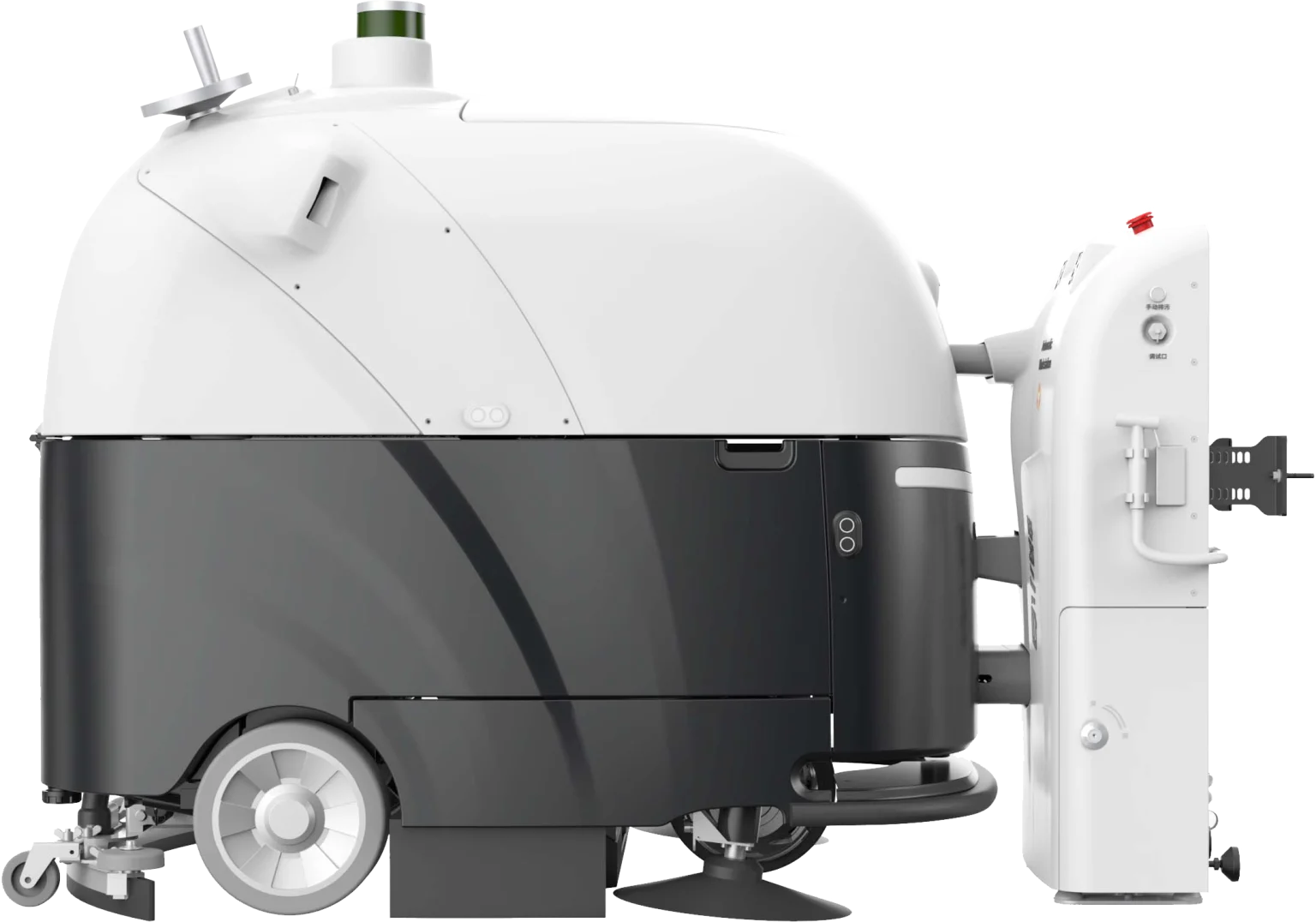
Getting a robotic sweeper running smoothly starts before the machine arrives. A clear prep checklist means faster deployment and fewer headaches on day one. Most problems we see during first installs come down to site readiness, not machine faults.
The machine needs a digital map of your space to navigate properly. Walk the floor and note permanent obstacles, racking positions, doorways and charging station spots. Many older Brisbane industrial buildings in Woolloongabba and Fortitude Valley have uneven slab joints and ramp transitions that need mapping before the unit’s first run.
Return on investment typically happens within 18 to 24 months for facilities over 2,000 square metres. This timeline assumes the facility runs cleaning operations five nights per week. Larger warehouses with more floor area reach ROI faster because they replace more manual labor hours.
The most successful robotic cleaning sites appoint one person to look after daily operations. That means checking the dust bin, keeping an eye on cleaning reports and flagging any route issues. Robotics is a team effort, not a set-and-forget deal. Sites with a dedicated go-to person always get better results.
Your crew needs to know what the machine does, where it runs and how to pause or redirect it if needed. A 15-minute walkthrough on day one prevents most early problems.
Your pre-deployment checklist should cover:
Floor map completed with all permanent obstacles marked
Charging dock location confirmed with power access
Temporary clutter and loose items cleared from cleaning zones
Robot champion appointed and trained on daily checks
Staff briefed on machine operation and safety pauses
First-week cleaning schedule agreed and programmed
Sensors pick up obstacles during the cycle and the machine steers around them without stopping. If it hits a blocked path it cannot get past, it reroutes and logs the issue for your team to check later. A standard cycle across a 5,000 sqm warehouse floor typically takes 60 to 90 minutes depending on how complex the layout is.
Once the route is done, the sweeper heads back to its dock for recharging. Staff empty the dust bin and do a quick visual check on brushes and filters. Brisbane’s long daylight hours and warm seasons let some sites run sweepers through open-air covered areas that would be off-limits in colder parts of the country. That means more cleaning coverage from the same machine.
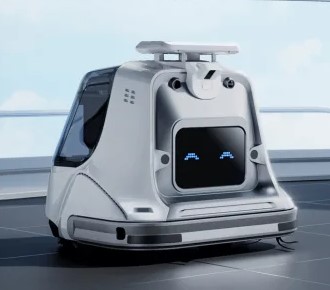
Knowing the daily cycle takes the mystery out of automated cleaning. Here is what happens from start-up to dust bin dump.
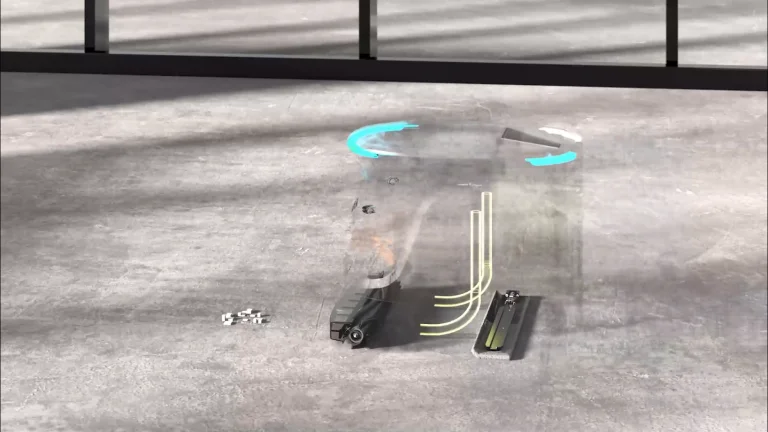
The machine leaves its charging dock at the scheduled time and follows a pre-mapped route through your facility. It sweeps using rotating side brushes that push debris into the main brush path. A vacuum system then pulls dust and particles into the onboard hopper. Most units adjust brush pressure on their own based on floor surface, going lighter on polished concrete and firmer on rough-sealed surfaces.
A typical daily routine looks like this:
Machine undocks and begins its programmed cleaning route
Side brushes and main brush sweep debris into the hopper
Sensors detect and navigate around obstacles automatically
Machine logs any blocked paths or missed zones for review
Unit returns to dock, recharges and is ready for the next cycle
Staff empty the dust bin and check brushes and filters
Modern robotic sweepers collect detailed data after every cleaning cycle. Dashboard reporting shows coverage maps, run times, battery usage and any missed zones. You can check it all from a tablet, phone or desktop.
For operations teams that need cleaning compliance data for audits or internal KPIs, this kind of reporting is a big step up from manual sweeping. You can show exactly when an area was cleaned, how long it took and whether the machine covered every zone. Food-grade warehouses near Brisbane Markets in Rocklea need documented cleaning logs to meet council and food safety standards. Automated reporting makes that simple.
Key performance metrics you can track include:
Coverage maps showing cleaned versus missed zones
Total run time and battery usage per cycle
Debris volume collected per shift
Cleaning frequency by zone or area
Historical trends for maintenance planning
Compliance reports ready for audits and inspections
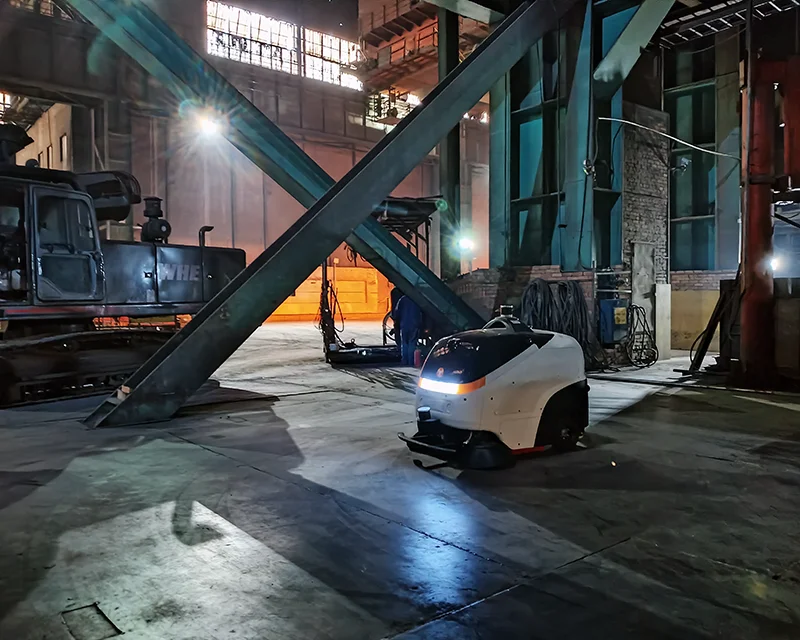
A robotic sweeper is a solid investment. Scheduled maintenance protects that investment and keeps the machine going when you need it. The other option, running it until something breaks, leads to downtime, expensive repairs and frustrated staff.
In Brisbane’s climate, filters and rubber parts need more attention than in cooler, drier regions. High humidity and summer storms speed up filter clogging, and the heat breaks down rubber squeegees faster. We recommend stepping up your check schedule from October through March to stay ahead of seasonal wear.
A structured service contract takes the guesswork out of maintenance. We tailor every agreement to the machine type, usage hours, environment and how critical the site is. There is no one-size-fits-all plan. Preventive maintenance consistently cuts long-term running costs and keeps your machine available when it counts.
Around 90% of the machine failures we see across all commercial cleaning equipment come down to lack of maintenance, operator error or misuse. Most of these breakdowns are preventable with a basic servicing routine and proper operator training.
Our clients trust us to transform their cleaning operations. From cutting edge robotics in warehouses to reliable scrubbers in hospitals, they praise our premium machines and dependable service for delivering spotless results with zero hassle.
Posted onTrustindex verifies that the original source of the review is Google. 5 Stars all the way!!! Shaun was great to deal with from 1st call enquiry, through to install and after sales service. We had a Floorbotics VR35 robotic floor cleaner installed in our sign shop over the Christmas 2025 shut down. Shaun was on time, and the install was a breeze. He called me today (5 days after install) to let me know that he had been monitoring the robot and remotely made some minor changes to the mapping to ensure it's working to its 100% best. Our 2pac painted floors are swept and mopped through night while there is no movements in the shop. So nice to walk in to work in the morning and the floors are clean (including under our benches and machinery).... It also sweeps and mops the bathroom floor while its going.... so good!!! Highly recommend Shaun and his team!!!Posted onTrustindex verifies that the original source of the review is Google. Outstanding on site service and fantastic communication with their clients.Posted onTrustindex verifies that the original source of the review is Google. Really greatful to CCM. Prompt servicing of my carpet cleaning machine as well as concise explanation of the fault and how to prevent it in the future. I will use them in the future if i have another issue.Posted onTrustindex verifies that the original source of the review is Google. Shaun and the team at Commercial Cleaning Machines have been an absolute pleasure to deal with. From the very first enquiry through to getting our machine back up and running, everything was handled smoothly and without any problems. Shaun is honest, reliable, and genuinely cares about helping his customers, qualities that are so rare to find these days. Their services are also very reasonably priced compared to others in the business which truly sets them apart. I can’t recommend this business highly enough for their professionalism, integrity and the excellent service they provide. Nothing but good things to say! Thank you Shaun for a great service!Posted onTrustindex verifies that the original source of the review is Google. I had a great experience dealing with Shaun to purchase a machine for my business. He was great in communication, and I got a call to follow up with me on how the new machine is going. Thanks so much, and I'll be in touch for services and future business Esteem Home Services.Posted onTrustindex verifies that the original source of the review is Google. Extremely responsive and turned up when they say will which let's face it, is a rarity. Honest and open about what your machines need and won't let you waste money on unnecessary repairs. Takes the time to walk through how machines should be operated for their best performance with the staff. Very reasonably priced as well which was an added bonus. Highly recommendPosted onTrustindex verifies that the original source of the review is Google. Sean from Commercial Cleaning Machines attended site today to service our Nilfisk Leaf Sweeper. He was very professional in his approach and explained all about the service as well as washed down the machine. Couldn't recommend a better service.Posted onTrustindex verifies that the original source of the review is Google. Exceptionally quick response and turn around and excellent to deal with. I was impressed that Shaun was familiar with our fairly obscure brand of carpet extractor. Thank you.Posted onTrustindex verifies that the original source of the review is Google. Very fast and knowledgeable. Sean is a great technician who knows his stuff. Glad to have had him service both floor cleaners. Will contact CCER again for all my services.Posted onTrustindex verifies that the original source of the review is Google. Hi CCER, this is Paul. Thank you for fixing our 2 T2’s and Hako. We are so greatful having Shaun who fixed our machines. We didn’t use it for more than 3 years and when Shaun had his hands on it, it runs like brand new now and never had issues since then. You can rely on Shaun for he have so much knowledge in this area and explained to us clearly what needs to be done so our machine will last and why we need to change some parts. It’s such a blessing having Shaun looking after our livelihood.

We deliver premium cleaning solutions across Southeast QLD: Brisbane, Gold Coast, Sunshine Coast, Ipswich, Logan, Moreton Bay, and Toowoomba.
Yes. Most units adjust brush pressure on their own for polished concrete, epoxy and sealed surfaces. This protects the floor finish while still picking up fine dust and grit.
Daily or twice daily depending on foot traffic and forklift volume. Sites with heavy inbound freight usually benefit from a morning and evening cycle to keep debris under control between shifts.
Yes. On-site demos are available across the Brisbane metro area. We bring the machine to your site so you can see how it handles your actual floor layout and conditions. Get in touch to book a time.
Compact walk-behind-size robotic units typically cover retail floors up to 3,000 sqm without any trouble. For larger shopping centre common areas, a ride-on-equivalent model may be a better fit.
Yes. HEPA-grade filtration captures fine particulate common during Brisbane’s dry season from May to September. Regular filter checks keep suction performance where it should be.
We keep parts in stock locally in Brisbane and run scheduled servicing plans for all the robotic sweeper brands we supply. Service contract customers get priority response, including 4-hour turnaround for critical sites like hospitals and aged care facilities.