
Robots in Cleaning: When to Invest and How to Get Started
Robotic cleaning has moved quickly from a futuristic concept to a practical, everyday solution.
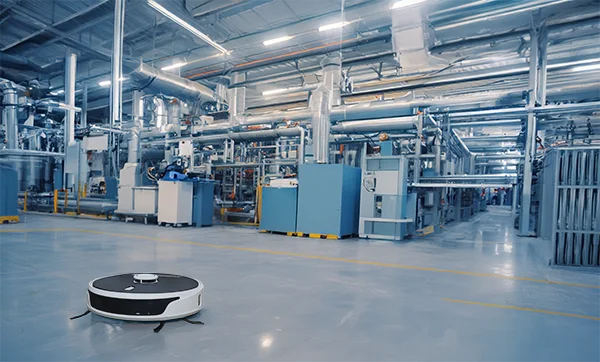
Today, commercial cleaning robots are being used across workplaces, schools, hospitals, warehouses, and retail environments—delivering consistent results while easing pressure on cleaning teams.
As adoption grows, facility managers, business owners, and cleaning operators are all asking the same question:
When does it make sense to introduce robots into a cleaning program, and how do you start?
This article breaks down why cleaning robots are gaining momentum, where they deliver the most value, and the practical steps to introduce them successfully.
Why Cleaning Robots Are Gaining Momentum
The rise of robotic cleaning machines isn’t about chasing new technology. It’s a direct response to challenges the industry is facing right now:
-
Labour shortages
Finding and retaining reliable cleaning staff is increasingly difficult. Robots help cover routine, repetitive work. -
Rising costs
Wages and overheads continue to increase, while robots offer a predictable, fixed operating cost. -
Consistency
Robots don’t get tired or cut corners. They deliver the same standard, every shift. -
Improved safety
Machines reduce risks linked to repetitive strain, heavy lifting, and exposure to hazardous environments. -
After-hours flexibility
Robots can operate overnight or outside business hours, reducing disruption to tenants, customers, and staff.
The most successful sites don’t use robots as replacements—but as support. Robots handle the repetitive floor work, allowing cleaners to focus on detail and high-value tasks.
When Does It Make Sense to Invest?
Robots aren’t suitable for every site, but in the right environment they can be a game-changer.
They perform best in:
-
Large, open areas
Warehouses, schools, hospitals, gyms, and shopping centres are ideal due to consistent layouts and flooring. -
Sites with frequent floor cleaning
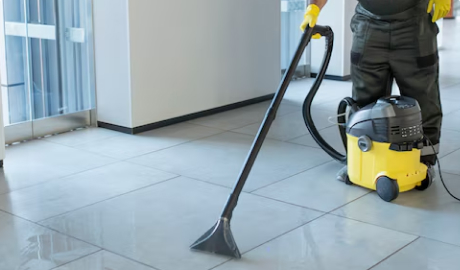
Daily scrubbing or vacuuming quickly adds up in labour hours—robots can significantly reduce this load. -
Environments with high standards
Healthcare, aged care, and hospitality benefit from robots maintaining daily cleanliness between manual cleans. -
Sites under labour cost pressure
If staff spend hours each week mopping or vacuuming, it’s worth comparing that cost against machine ownership or rental.
In most cases, a short trial or site assessment quickly shows whether robotics will deliver a return.
What Cleaning Robots Do Well — and Where They Struggle
Robots excel at:
-
Floor scrubbing, sweeping, and vacuuming
-
Maintaining consistent daily standards
-
Operating in wide or moderately cluttered spaces
-
Reducing physical strain on cleaning staff
Robots are limited when it comes to:
-
Corners, edges, and detailed cleaning
-
Highly cluttered or constantly changing environments
-
Tasks requiring judgement, dexterity, or handwork
This is why a hybrid approach works best—robots handle the bulk work, while cleaners complete the detail.
How to Get Started With Cleaning Robots
1. Start Small
Begin with a pilot program using one machine in a high-traffic area. Many suppliers offer short-term trials so you can test performance before committing.
2. Choose the Right Machine
Match the robot to the space:
-
Compact units for offices and childcare centres
-
Larger scrubbers for warehouses and retail floors
-
Advanced models with LiDAR or camera navigation for busier sites
3. Integrate and Train Staff
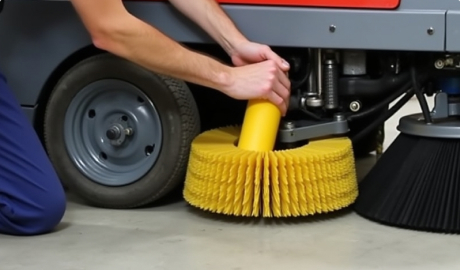
Suppliers typically assist with site mapping and setup. Staff training is simple but essential—refilling tanks, checking brushes, and monitoring charging. Involving staff early builds trust and ensures smooth operation.
4. Measure the Results
Define success before you start. This might include:
-
Reduced labour hours
-
Improved consistency
-
Less disruption to tenants or customers
Track results during the trial to clearly measure return on investment.
Common Pitfalls to Avoid
-
Choosing a machine that’s too large or too small for the space
-
Expecting robots to fully replace cleaners
-
Ignoring ongoing maintenance and consumable costs
-
Excluding staff from the rollout process
Avoiding these mistakes ensures a smoother transition and better long-term results.
Moving Forward
Robotic cleaning isn’t about removing the human element—it’s about enhancing it.
In the right setting, robots save time, ease cost pressures, and improve consistency. The key is to start small, select the right equipment, involve your team, and measure outcomes carefully.
Done properly, cleaning robots become a practical, reliable tool—helping businesses make confident, future-focused decisions about their cleaning programs.