How to Choose the Right Commercial Floor Scrubber
A practical guide for cleaners, facilities, and compliance sites
Choosing a commercial floor scrubber is not as simple as picking a size and a price.
The wrong machine can cost you time, money, batteries, and a lot of frustration.
The right one will clean better, last longer, and make life easier for whoever is using it.
This guide is written for contract cleaners, facility managers, aged care, hospitals, warehouses, retail sites, and schools.
Whether you are buying your first scrubber, replacing an old one, or feeling overwhelmed by the options, this will help you make the right decision.
Why People Start Looking for a Floor Scrubber
Most customers come to us for one of three reasons.
-
Their floors still look dirty after cleaning
-
They have stubborn marks that will not come out
-
Their current scrubber is not doing the job properly
In many cases, the machine is not broken.
It is simply the wrong type of scrubber for the floor or the space. Here is a detailed guide on specific machines for each flooring
The Biggest Mistake We See
The most common mistake is choosing a machine based on price instead of suitability.
Good scrubbers are not cheap. Certain floor types, especially safety flooring and textured surfaces, need more specialised machines. These machines cost more, but they actually work.
What happens far too often is someone buys a cheaper machine that looks similar on paper. It cannot clean the floor properly, so they spend more time cleaning, wear the machine out faster, and end up shopping for another unit.
Buy cheap, buy twice.
Floor Type Matters More Than Most People Realise
Some floors are very forgiving. Others are not.
The most problematic floors when the wrong machine is chosen are safety floors. This includes:
-
Non-slip tiles
-
Textured tiles
-
Floors with deep grout lines
These surfaces need a scrub system that can clean into the texture and grout. A standard flat scrubber will often skim over the top and leave dirt behind.
If you have smooth vinyl, epoxy, or sealed concrete, your options are wider.
If you have safety flooring or heavy texture, the machine choice becomes critical.
Sizing the Machine for Your Site
You do not need perfect square metre calculations, but rough sizing helps.
As a general guide:
-
Small areas are under 300–400 square metres
-
Medium areas are above that
-
Large areas are open spaces like warehouses, shopping centres, and long hospital corridors
Undersizing means longer cleaning times and more wear.
Oversizing can cause access, storage, and handling problems.
Layout and Access Can Rule Machines In or Out
Layout often matters more than total size.
Things that affect machine choice include:
-
Tight aisles and narrow walkways
-
High edge-cleaning requirements
-
Door widths and lift access
-
Storage space and cleaner rooms
-
Ramps and disability access areas
-
Heavy debris on the floor
For example, pad drive machines struggle on ramps. A traction drive machine is required for safe operation.
A large ride-on might suit the area size but still be impractical if storage space is limited.
Walk-Behind vs Ride-On Scrubbers
Walk-behind scrubbers suit:
-
Tight or complex layouts
-
Areas with many obstacles
-
Sites needing strong edge cleaning
-
Operators who want control and precision
Ride-on scrubbers make sense when:
-
Areas are large and open
-
Time is critical
-
Operator comfort matters
-
Layouts are simple
Ride-ons are faster and reduce fatigue, but they can take more abuse if operators are not careful. In some sites, a wide walk-behind is just as effective with less risk of damage.
Noise and Cleaning During Business Hours
Noise is most critical in aged care and hospitals.
Some machines include noise-reduction modes for use in resident rooms and wards.
Manual scrubbers are usually fine during business hours.
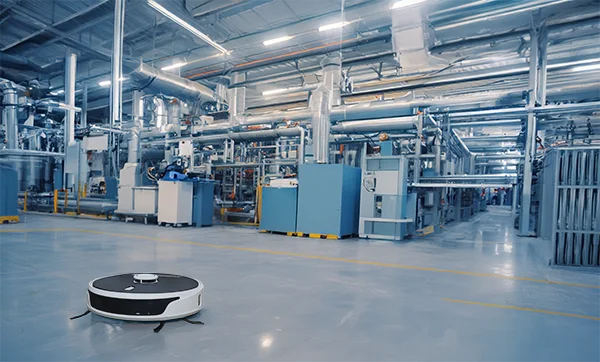
Modern robotic scrubbers can safely operate around people in dynamic environments.
Battery Choice and Common Runtime Mistakes
Batteries are one of the most expensive parts of a scrubber to replace, and one of the most misunderstood.
Common battery types include:
-
Wet batteries requiring regular maintenance
-
AGM batteries that are cheaper but struggle under high load
-
Gel batteries that are sealed and far more reliable
-
Lithium batteries, which are improving but not always approved for high-compliance sites
High-quality gel batteries consistently deliver longer life and fewer failures when sized correctly.
Lithium allows opportunity charging, but many aged care and hospital sites remain cautious due to safety and compliance requirements.
Why Undersizing Runtime Destroys Batteries
One of the fastest ways to kill batteries is choosing a machine that cannot finish the job on a single charge.
When a machine runs flat and is then partially recharged before being used again, the batteries overheat. Heat is the biggest battery killer.
If this happens often, batteries that should last years can fail within 12 months.
The rule is simple.
Your scrubber must complete the full clean on one charge.
Disc vs Cylindrical Scrub Systems
Disc scrubbers suit:
-
Smooth vinyl
-
Epoxy floors
-
Sealed concrete
-
General maintenance cleaning
Cylindrical scrubbers are better for:
-
Safety flooring
-
Textured and non-slip surfaces
-
Grouted floors
-
Workshops with debris
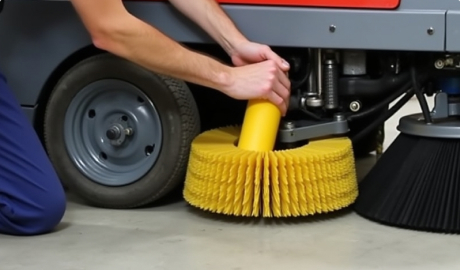
Cylindrical systems scrub harder and lift debris into a tray. Disc machines tend to float over texture and struggle to clean deeply.
Brush pressure also matters. Machines relying only on their own weight will struggle with stubborn marks.
Servicing and Maintenance Expectations
Service frequency depends on usage.
General guidelines:
-
Light use on smooth floors may suit annual servicing
-
Heavy environments often need six-monthly servicing
-
Hospitals usually require quarterly servicing
Critical sites cannot afford downtime. Preventive maintenance avoids breakdowns and compliance failures.
Machines That Become Painful to Own
Unsupported imports are a common problem.
When there is no local parts or service support, even simple repairs become difficult or impossible.
Some low-cost machines also cut corners on batteries, squeegees, and electronics. They may look good on price but rarely last.
Paying more upfront often means fewer headaches long term.
Understanding Warranties Properly
Long warranties sound good, but the details matter.
Most extended warranties only cover non-wear parts. Many key components are classed as wear items.
Always ask:
-
What is covered in the first 12 months
-
What is parts only
-
What labour costs apply
The headline warranty number means very little without clarity.
Typical Pricing Expectations
For small walk-behind scrubbers:
-
Entry level: $4,000 to $5,000
-
Mid-range: $6,000 to $7,000
-
Premium long-life machines: around $10,000
Higher upfront cost usually means better batteries, better components, and longer service life.
Return on Investment Is Not Just About Money
Scrubbers save time and labour, but the real return is cleaning quality.
A scrubber applies solution, agitates the floor, and removes dirty water in one pass. A mop often spreads dirt around.
Better cleaning means better audits, fewer complaints, and happier clients.
Three Golden Rules for Choosing a Floor Scrubber
-
Choose the right size for your site
-
Match the scrub system to the floor type
-
Buy for longevity, not just price
Final Notes
Before spending money, get proper advice.
A site inspection or demo will tell you more in 10 minutes than hours of online research.
If you choose the right machine from the start, it will repay you in performance, reliability, and peace of mind.
If you want help choosing the right scrubber, speak with someone who services machines every day, not just someone who sells them. Enquire Now